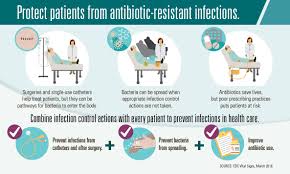
Hospital Acquired Infections (HAIs), also known as nosocomial infections, are infections that patients develop during the course of receiving healthcare treatment for other conditions. They are a major public health concern due to their impact on patient morbidity, mortality, length of hospital stay, and healthcare costs.
This topic focuses on understanding the sources, types, risk factors, and modes of transmission of HAIs. It emphasizes the implementation of evidence-based infection prevention and control (IPC) strategies to reduce the risk of infections in healthcare settings. Key components include hand hygiene, use of personal protective equipment (PPE), environmental cleaning, sterilization, safe injection practices, and antimicrobial stewardship.
The goal is to equip healthcare workers with the knowledge and skills required to break the chain of infection, ensure patient and staff safety, and maintain a high standard of care through effective IPC measures.